

🤖 AI & Technology4-12 yrs
How AI Is Transforming Language Learning for Kids in 2026
2026-06-198 min read
Learning strategies, EdTech trends, and practical guides for modern parents.



 ✨ New📌 Featured
Executive function skills predict school success more than IQ. Learn what they are, why pandemic-era kids fell behind, and how to build them at home.
 ✨ New
✨ NewA 2026 scoping review of 40 studies found risky outdoor play boosts resilience and social skills — but most teachers still hesitate. Here's how to bridge the gap.
 ✨ New
✨ NewPractical strategies for differentiating instruction in mixed-ability classrooms, plus how AI text-leveling and tutoring tools cut prep time without replacing teacher judgment.
A 2026 meta-analysis of 31 studies found gamification boosts student motivation with a pooled effect size of g=0.654 — but the boost skews extrinsic and can fade. Here's what that means for teachers designing classroom rewards.
Classroom management research keeps pointing at the same window: what you establish in the first two weeks of a new school year carries through the rest of it. Here's what to actually do with that window, not just a supply checklist.

STEM gets the funding and the buzzwords, but a growing body of 2026 research says the arts aren't a nice-to-have add-on — they're what makes STEM learning stick. Here's the evidence, and what it means for parents and teachers.
A 2026 study found students recall stories 12x better than raw facts. Here's what the brain science of storytelling actually means for lesson design — and five techniques you can use tomorrow.
After a summer of loose schedules, forcing kids back into an early wake-up the night before school starts backfires. A pediatrician-backed, age-by-age guide to resetting sleep, study, and play routines.
Vietnam's nationwide opening ceremony lands on September 5, 2026 — but many provinces are already welcoming students back to class in mid-August, first-graders earliest of all. Here's the timeline and what to prepare.
Vietnam's Ministry of Education is piloting a four-pillar AI curriculum for every grade level, officially launching in the 2026-2027 school year. Here's what parents and teachers actually need to know.
86% of students now use AI to study and adaptive learning shows 42% better outcomes. Here's what the 2026 data means for teachers, minus the hype.
As the 2026-27 school year begins, classrooms are increasingly AI-powered. Here's your practical parent guide to preparing children ages 6-12 for learning alongside AI tools — and thriving, not just surviving.

Vietnam's national STEM, AI & Robotics Championship attracted 5,000+ applicants from 29 provinces. Here's what this surge means for your child's education — and what parents can do right now.

Science says sleep isn't just rest — it's when your brain actually learns. Discover how sleep boosts memory, creativity, and focus, plus practical sleep tips for kids aged 6-12.

From Singapore's AI literacy mandate to Finland's citizenship-first approach, STEM education is transforming worldwide. Here's what the global shift means for Vietnamese families — and what you can do at home.
A research-backed guide for parents on AI tutoring tools: which ones work by age group, 5 rules for safe use, warning signs of dependency, and how to help your child learn with AI without losing their ability to think independently.

Research shows children who practice mindfulness improve focus by 30% and reduce test anxiety. A practical guide for parents and teachers of children ages 6-12.

A complete parent guide to raising digitally savvy children ages 6-12. Learn how to teach online safety, digital kindness, and healthy screen time habits.

Practical guide to teaching children about money, saving, and smart spending from an early age. Includes fun activities and parent tips.
Science-backed guide for parents: why boredom fuels creativity in kids, how to resist the urge to fill every moment, and how to structure 'unstructured' time for ages 4-12.

Why problem-solving is the most important skill for children today — and how parents can develop it at home with fun activities, games, and AI-powered learning tools.
A practical guide for parents to teach growth mindset to children ages 6-12. Based on Carol Dweck's research — simple activities, scripts, and strategies that actually work at home.
How to help your child develop emotional intelligence and social skills. Evidence-based strategies from CASEL research with CubLearn learning activities.
Discover 5 actionable EdTech strategies for teaching kids aged 6-12 in 2026 — from AI tools to gamification and blended learning models.

Discover the 5 core life skills every child needs to thrive in an AI-driven world: problem-solving, emotional regulation, critical thinking, creativity, and effective communication — and how to build them.

The biggest shifts in Vietnam's education system in 2026 — new curriculum, digital tools in classrooms, and what it means for your child's learning journey.

The biggest shifts in global education in 2026 — AI personalization, STEM play, critical thinking — and what parents can do at home to prepare kids.
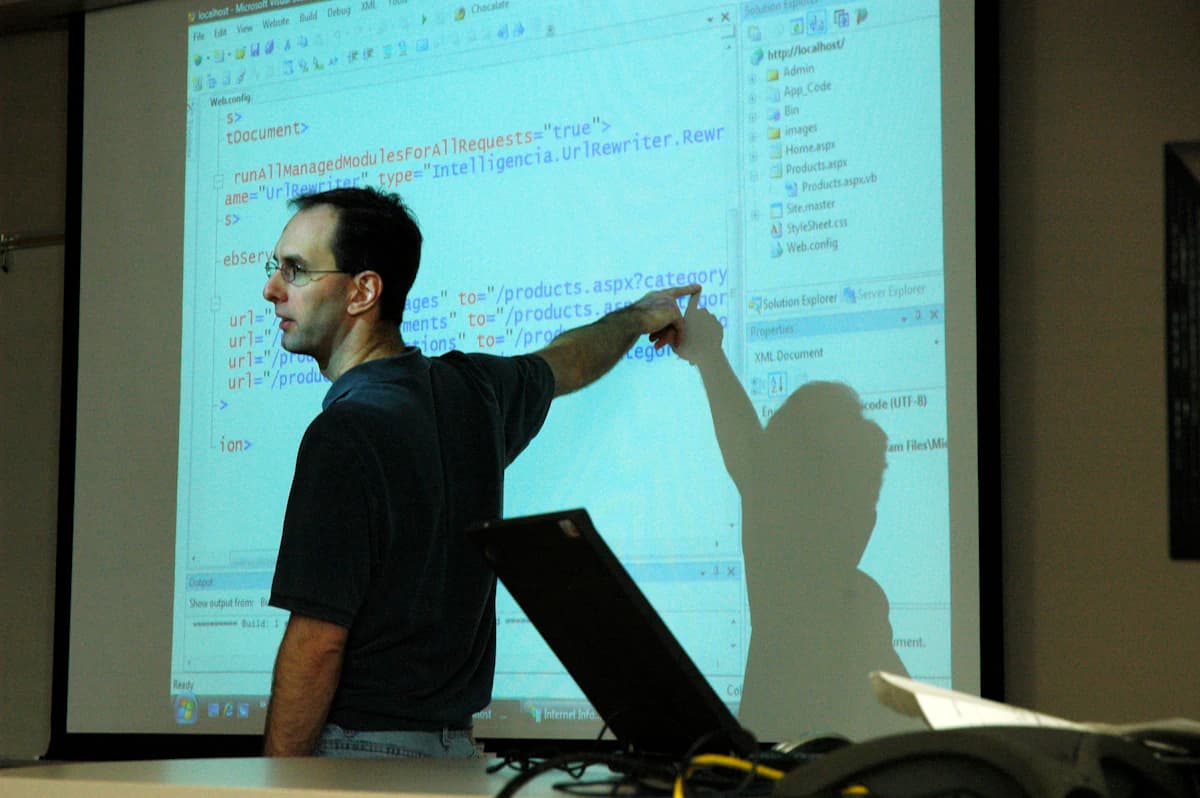
Discover AI tools helping teachers save time, personalize lessons, and boost student engagement in modern classrooms in 2026.
Research-backed strategies to help children ages 6-12 develop a love of reading using AI-powered tools — and why it matters more than ever in 2026.

A parent guide to helping children ages 6-12 build healthy digital skills and use AI tools responsibly in the age of technology.

Gen Alpha is the first generation raised entirely with AI. Here is what the data says about how they learn and what parents can do to prepare them.

Discover how learning music reshapes children's brains, boosts academic performance, and builds lifelong skills. A must-read guide for parents of kids ages 3-12.

Can children learn to pronounce English without a dictionary? Not really. Here is a step-by-step pronunciation method using IPA and active listening that actually works for young learners.

Research proves bilingual children have better focus, problem-solving, and academic outcomes. Here's what parents need to know in 2026.

Everything you need to know about Cambridge YLE Flyers. A2 level, 500+ words, story writing, opinion giving -- the complete guide for parents and teachers.

A complete Cambridge YLE Flyers practice test at A2 level. Longer stories, opinion writing, picture narration and advanced vocabulary -- the ultimate Flyers exam simulation.

Master story narration from picture cards and 20-word writing tasks for Cambridge YLE Flyers. Step-by-step techniques, model answers, and practice exercises.

Everything you need for Cambridge YLE Movers. New vocabulary topics, the Odd One Out exercise explained, Spot the Differences speaking practice, and a full study plan.
A complete Cambridge YLE Movers practice test with all exam sections. Longer texts, Spot the Difference speaking, and Odd One Out tasks -- everything for A1 level exam prep.

Complete sports, leisure and health vocabulary for Cambridge YLE Movers. Football, swimming, tennis and more -- plus how to describe sports in the Speaking test.

Master transport, directions and time vocabulary for Cambridge YLE Movers. Bus, train, plane -- plus how to read clocks and give directions in English.

Learn weather, materials and jobs vocabulary for Cambridge YLE Movers A1. Sunny, cloudy, rainy -- plus what different people do at work and what things are made of.

Master the Animals topic for Cambridge YLE Starters. 30+ vocabulary words, 4 practice exercises that mirror real exam questions, and tips for the colouring and true/false tasks.

Complete colours and clothes vocabulary for Cambridge YLE Starters. Learn all 10 colours, 15+ clothing items, and how to describe what people are wearing.

Complete practice for the Family, Home, and Toys topics at Cambridge YLE Starters. Vocabulary lists, 4 exercises matching real exam format, and speaking question practice.

Learn all food and drink vocabulary for Cambridge YLE Starters. Fruit, meals, drinks, and how to use 'I like / I don't like' in the speaking test.
A complete Cambridge YLE Starters practice test with all exam sections. Listening (5 parts), Reading and Writing (5 parts), and Speaking preparation. Ideal for final exam prep.

Master numbers 1-20 and classroom vocabulary for Cambridge YLE Starters. Vocabulary lists, 4 exam-style exercises, and fun counting games for ages 5-8.

Everything parents need to know about the Cambridge Young Learners English exams -- what each level tests, how to prepare, and the exact path from Pre-A1 to A2 for children aged 5-12.
Keep your kids safe online in 2026 with this practical, age-by-age guide for parents. Covers risks, tools, conversations, and healthy digital habits.

You don't need expensive toys or a special school to apply Montessori principles. 7 practical activities for children aged 3-9 that build independence, focus, and a love of learning.
Not every kid needs to become a programmer. But every kid benefits from learning to think like one. A practical, hype-free guide to coding for children ages 6-12.
Raising a bilingual Vietnamese-English child abroad? This practical guide covers proven strategies, free resources, and how to make Vietnamese learning stick — even when your child resists.
What is a growth mindset and why does it predict your child's success more than IQ? A science-backed guide for parents and teachers of children ages 4-12.

Discover 7 science-backed methods to develop creative thinking in children ages 4-12 using AI and technology. A practical guide for parents and teachers.

How can children raised on smartphones still love reading? 8 practical tips for parents to build reading habits in kids ages 4-12 in the screen era.

Discover 5 engaging, research-backed methods for children ages 4-12 to learn English using AI-powered tools, games, and interactive stories.
Harvard found AI tutors double learning speed. But is an AI tutor right for your child? An honest breakdown of the research, the trade-offs, and when each approach works best.

92% of Gen Alpha kids used devices before age 4. Here's the science-backed guide to managing screen time, choosing quality apps, and raising digitally healthy children.

The world is changing faster than any generation before you. Here are the 5 digital skills that will define your decade — and how to build them starting today.
Why is English exciting? Discover surprising facts about the English language, fun vocabulary groups, and your first 10 sentences to say today. For kids ages 5-12!
The world is changing faster than ever. Here are the 5 skills that will actually matter for your generation — and how to build them starting today.

Did you know math is hidden everywhere — in music, sports, pizza, and even your brain? Discover 5 mind-blowing math secrets and become a number wizard!

ChatGPT reached 100 million users in 2 months. Your generation is the first to grow up alongside real AI. This is what it means — and what you should do about it.

AI-powered learning apps are reshaping how children learn. A practical guide for parents on opportunities, risks, and how to use AI education tools effectively.

Not all screen time is equal. Learn how to set healthy boundaries, choose quality educational apps, and turn screen time into genuine learning time for kids aged 4-12.

What makes educational games actually effective? The neuroscience of play-based learning, why gamification outperforms traditional methods, and how to spot quality in educational apps.
Discover how learning music boosts children's brain development, improves language, math, memory, and emotional skills — and how to get started at home.
Play on the web or download the app — completely free.